
Spring Fishing in St. Petersburg, FL: What’s Biting & What to Book
Spring fishing in St. Petersburg FL is when things really start to line up. Temperatures rise, bait moves in, and the grass flats, mangrove shorelines, and nearshore spots all turn on together. You get solid inshore fishing, the first good shots at tarpon, and the option to run offshore when the weather allows along Florida’s west coast. That shift to warmer water temperatures is what gets everything moving.
Fish Species You Can Expect in St. Petersburg FL
Speckled Trout (Gator Trout)
These fish move up onto the grass flats as things warm up. You’ll find them in 2 to 6 feet, especially early in the day.
Soft plastics and live shrimp work well, and once the sun gets up, the bite usually settles in and stays steady across the flats where sea trout spread out and feed.
Redfish
Redfish hold along mangrove lined shores, oyster bars, and residential canals. They cruise the edges and react well to a clean cast near structure. They’re one of the most consistent fish this time of year, especially around St. Pete Beach and Fort De Soto.
Tarpon (The Silver King)
Spring marks the start of the tarpon fishing season in the area. You’ll see fish rolling along the beaches, passes, and around the Skyway. Sight fishing on the flats is excellent when conditions line up. These are big, strong fish, and when they come together, it’s one of the better moments out there, especially when you’re chasing giant tarpon in clear water.
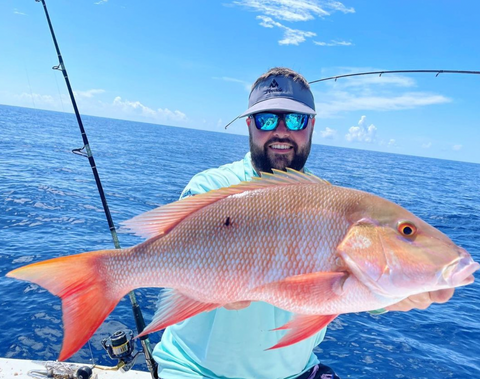
Mangrove Snapper & Other Snapper Species
Snapper stay tight to structures like channel edges, reefs, and mangrove roots. Snapper bite fast and pull hard back to cover. They’re a reliable option on both inshore and nearshore trips, and a solid fish to bring home.
King Mackerel & Spanish Mackerel
These fish show up nearshore when the water cleans up. Birds working bait usually give them away. They hit hard and fast, especially once temperatures get into the low 70s.
Gag Grouper
Grouper become a realistic target on offshore trips as conditions improve. They stay close to deeper structure and take a little patience, but they’re worth the run when everything lines up.
Inshore Fishing: Flats, Mangroves, and Steady Action
Inshore fishing is the most consistent option this time of year.
You stay in protected water, move across grass flats early for trout, then work mangroves and oyster bars for redfish and snapper as the tide moves. It’s classic flats fishing, staying active and working through different zones as the day unfolds.
It’s hands-on fishing on light tackle, with plenty of chances to see fish and make clean casts.
Nearshore & Offshore Fishing
Nearshore trips put you a few miles off the beach chasing mackerel and snapper.
Offshore runs head farther into the Gulf for grouper and bigger structure fishing, working specific spots rather than covering a lot of water.
When red snapper season is open, these trips get even more popular, especially for anglers focused on specific target species in deeper water.
Ready to get out there? Check available dates and book your St. Pete fishing charter today.
Best Areas for Fishing Around St. Pete
- Grass flats near Fort De Soto Park and St. Pete Beach
- Mangrove shorelines and oyster bars inside Tampa Bay
- Residential canals and waters around Lake Tarpon
- Flats and nearshore spots by Madeira Beach, Fred Howard Park, and Clearwater Beach
- Skyway area for structure and passing tarpon
Each of these areas fishes a little differently, which is why we move around instead of staying locked into one spot. The beauty of fishing in St. Petersburg around Tampa Bay and the Gulf coast is how close everything is. We move based on wind, tide, and fishing conditions to stay on fish.

What Fishing Trip Should You Book This Spring?
Spring gives you options, and each one fishes a little differently.
Inshore fishing charters keep things moving. You’re on the flats and mangroves, making casts, staying active, and picking off trout, redfish, and snapper throughout the day.
Nearshore trips add speed. More water, more movement, usually chasing mackerel with quick bites and less downtime.
Offshore trips are more dialed in. You run out, set up on structure, and wait for the right fish. Fewer bites, but heavier ones.
If tarpon is your focus, that’s a timing play. When they’re around, it’s worth building the trip around them.
If you just want a quick call, go inshore for steady action, nearshore for more pace, offshore for bigger fish, and tarpon when the timing lines up.
What to Bring & What We Provide
We take care of the boat, tackle, bait, ice, and your fishing license for the trip.
You just need:
- Sunscreen
- Polarized sunglasses
- Hat and comfortable clothes
- Cooler if you plan on taking your fish home
Frequently Asked Questions
Do I need a fishing license?
We cover the license for everyone on the charter, so you don’t have to worry about it. It’s one less thing to think about before getting on the water, especially for visiting fishing enthusiasts.
Can I fish from piers instead?
Yes. The Skyway Fishing Pier (the world's longest fishing pier) and others around St. Pete give you easy access without a boat. It’s a good option if you just want to get out for a few hours but will never beat the adrenaline of plucking one on the seas!
What is the best trip for families?
Our 4-hour and 6-hour fishing trips work well for those who want to bring their children along. Short runs, steady action, and plenty going on keep things fun for the whole family.
Are tarpon guaranteed?
No fish is guaranteed, but spring is one of the better windows for tarpon fishing in Tampa Bay and around the Skyway. When it lines up, it’s one of the most exciting bites you’ll get.
What happens if the weather isn’t great?
We stay flexible and usually have solid inshore options in protected water even if the Gulf is rough. If it’s not safe or not worth your time, we’ll reschedule or refund your deposit. There’s almost always a way to make the day work.
What are you usually targeting on a spring trip?
Most trips start with trout on the grass flats early, then shift to redfish and mangrove snapper along the mangroves as the tide moves. Tarpon and nearshore species like mackerel can also be part of the mix depending on the day.
Is spring a good time for beginners or casual anglers?
Yes. Fish are active, the weather is steady, and it’s a good time to learn without overcomplicating things. It works well for both first-timers and experienced anglers.
Spring gives you a lot to work with. Captain Pablo and the Reel Coquina crew will help you fish it the right way.
If you’re ready to fish, book your St. Petersburg charter and we’ll put you on what’s working.
Book Your Trip Now